Wednesday, March 9, 2011

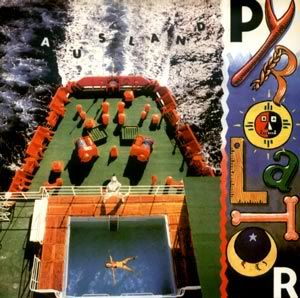
Pyrolator, AUSLAND


Ata Tak, 1981; available with bonus tracks

CD: 20 tracks, 68:43

Pyrolator's name has shown up a lot here. A founding member of Deutsch-Amerikanische Freundschaft AND a long-term part of Der Plan, the man otherwise known as Kurt Dahlke has had a big hand in the development of German new wave and post-punk. AUSLAND was his second album, following the minimal masterpiece INLAND*. For this gem, Dahlke recorded all the synth and drum machine programming into a proto-MIDI unit called the Brontologik. He then invited other musicians to add elements over the basic electronic tracks. What resulted was a varied blend of accessibility and quirkiness, with individual songs going from minimal synth to catchy electro-pop to almost no wave and everywhere in between. The majority of the tracks feature guest vocalists, ranging from the catchy to the almost grating. Other guests include Dahlke's co-conspirators in Der Plan and Frederik Nilsen from the LAFMS on "cross-string guitar"! Musically, it sounds much more high-tech than Der Plan; the synths dominate the proceedings, all sounding gloriously vintage nowadays. The instrumentals, such as the groovy "Elefantendisco" and the potent "180°", are the most effective pieces of music. Still, vocal tracks like the charming "Mein Hund", the trancey "Du Bist So... Ich Träume", and the wild "Die Haut Der Frau" are quite enjoyable! There's even time for sound collage with the odd "True Love". Eight bonus tracks round out the package. Some of these sound like outtakes from INLAND, and reflect that album's minimal electronic genius; I'm particularly fond of "Danger Cruising Part 2". Others are firmly connected to AUSLAND, and these are some of the best tracks on the disc! The closing "Programm No. 1" is particularly great, being a live performance with Fenstermacher on vocals. If you enjoy DAF and Der Plan, as well as no wave and the more out-there realms of synthpop, AUSLAND should be a part of your collection. If you have trouble finding it, try Ata Tak direct (they also sell the previously reviewed Der Plan compilation).

*INLAND is much harder to find, but as of 9/15/11 I FOUND IT ON CD! Expect a review soon! It's VERY differet from AUSLAND.

Sunday, March 6, 2011

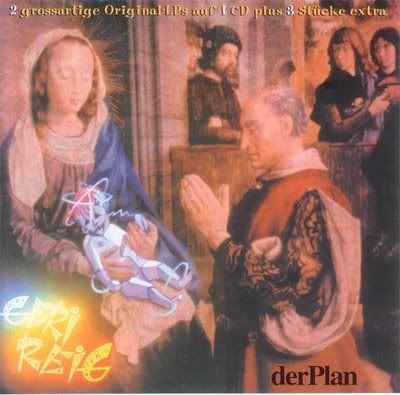
Der Plan, GERI REIG UND NORMALETTE SURPRISE


Ata Tak, 1996 (see review for individual release dates); available

33 tracks, 75:46

This handy compilation collects the first two LPs by German oddballs Der Plan. After a crazy debut single*, Moritz Rrr (aka Moritz R®; real name Moritz Reichelt) and Frank Fenstermacher hooked up with ex-DAF synthman Pyrolator (real name Kurt Dahlke). GERI REIG came out in 1980, and it was a strange mix of then-current new wave/synthpop, electronic no wave, and pure eccentricity. Der Plan apparently used toys and other non-traditional instruments in addition to synths. "Adrenalin Lässt Das Blut Kochen" starts things off with eerie minimal synth sounds, only to be followed by "Geri Reig"'s goofy electro-reggae-with-funny-voices. Pretty much everything on here falls between those two extremes, with some time left for musique concrete experimentation along the way. It's something of an acquired taste, but the music should take precedence over the weird vocals. Fast forward to 1981, and Der Plan released their second LP. Well, maybe LP is a stretch; NORMALETTE SURPRISE would probably be closer to a mini-LP by today's standards. The A-side consisted of twelve short tracks, ranging from the catchy "Leb Doch" and "Das Insekt" to the odd "Ich Bin Ein Komputer"; it also played at 33 1/3. The B-side consisted of only three tracks, played at 45, and was just barely over five minutes long! Considering this side has the eerie "Zurück In Die Atmosphäre", that's hardly a complaint. Musically, NORMALETTE SURPRISE is more traditional synthpop, but with a distinct twist. For this CD, Der Plan included three bonus tracks. The disturbing "Rot Grün Tot" is from the B-side of "Da Vorne Steht Ne Ampel" (sadly not included, but worth finding!), while "8 1/2" and "Wir Werden Imme Mehr" are from the FIX PLANET! 7". This adds up to a lengthy exploration of the years when krautrock was giving way to Neue Deutsch Welle, and as such it's worth acquiring for fans of the more electronic side of new wave. There's quite a bit in common with the electro-no wave acts as well, so fans of that sound should consider investing in this as well. Maybe this will tell you if you want this or not: Think of a cross between early DAF and the Residents. Check back soon for a review of Pyrolator's solo album AUSLAND!

*The lineup for the single, oddly enough, consisted of Fenstermacher, Rrr, Chrislo Haas, and Robert Görl. Haas went on to DAF and Liaisons Dangereuses, while Görl stuck it out with DAF. This single is actually very close to a cross between early DAF and early Chrome. To drive the comparison home, PRODUKT DER DEUTSCH-AMERIKANISCHE FREUNDSCHAFT came out on Ata Tak as well!

Friday, March 4, 2011

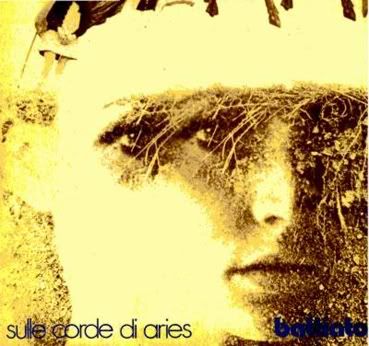
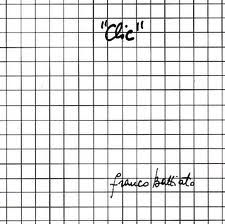
Franco Battiato, SULLE CORDE DI ARIES and CLIC


Bla Bla, 1973; reissued by BMG; available

4 tracks, 33:26


Bla Bla, 1974; reissued by BMG; available

7 tracks, 32:07

Battiato's amazing first two albums, FETUS and POLLUTION, were reviewed here a while ago. It's about time I got to the other two albums from his classic early quartet!

For SULLE CORDE DI ARIES, Battiato is joined on every track by percussionist Gianfranco D'Adda and guitarist/mandolinist Gianni Mocchetti*. He has several guest artists across the tracks as well, from violin to recited vocals. Battiato himself tackles the VCS3, guitar, prepared piano, and kalimba. A distinct retreat from the rock touches of POLLUTION, SULLE finds Franco somewhere between modern composition and cosmic pop-rock. The sidelong "Sequenze E Frequenze" is mostly an electronic pulse, anchored by drums and other touches. It easily rivals the best cosmic music from Germany, and might even surpass some of the better-known acts in that style. The B-side is made up of three shorter tracks. The instrumental "Aries" and moody near-classical "Aria Di Rivoluzione" show how much Battiato has progressed from the almost naive FETUS. "Da Oriente A Occidente" starts with a VCS3 whine and double-tracked, slightly out-of-phase vocals, leading to a wonderfully folky tune that ends the album quite unexpectedly. Definitely his most assured outing to this point, SULLE CORDE DI ARIES would be hard to beat.

Leave it to Franco to beat it! Dedicated to none other than Karlheinz Stockhausen, CLIC was Battiato's first real stab at modern composition. D'Adda and Mocchetti are back (with Mocchetti playing bass and guitar rather than mandolin); Juri Camisasca and Pietro Pizzamiglio are credited with vocal effects, and the Quartetto Ensemble del Conservatorio di Milano also helps out a bit. This time around, Battiato himself takes on piano, organ, mandolin, VCS3, "crystals" and "metals"(!). Only the stunning "No U Turn" features Franco's singing; the rest of the album is avant-instrumental music of a high caliber. "Rien Ne Va Plus - Andante" and "Ethika Fon Ethica" are brief but humorous sound collages; they may not be the best examples of this style, but they're still fun! Several tracks are absolutely gorgeous electronic pieces, including the minimal "Il Mercato Degli Dei" and the stunning "I Cancelli Della Memoria". "Propriedad Prohibida", while ostensibly a joking jab at the more-left-wing Italian prog acts, is a perfectly stunning piece of synth bliss. With CLIC, Battiato showed the world that he was indeed an artist to take seriously.

These albums are available as fairly priced Italian imports. Both are highly recommended, and with POLLUTION and FETUS they form an impressive early body of work. From here, Battiato would go further into experimentation; unfortunately, and as previously mentioned, for a while this meant whole sides of two piano notes being struck repeatedly. From there, he went into his pure pop phase and out of my realm of interest.

*D'Adda and Mocchetti were an essential part of the early Battiato sound; they also appeared on FETUS and POLLUTION. Sadly, CLIC was their final appearance on a Battiato album.

Saturday, February 26, 2011

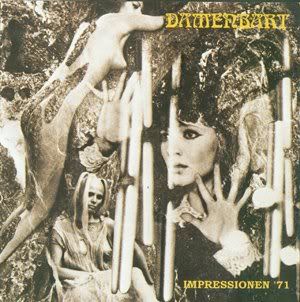
Damenbart, IMPRESSIONEN '71


DOM Elchklang, 1989; reissued by Psychedelic Pig; apparently available

Psychedelic Pig CD: 8 tracks, 59:31

When it was released, this was claimed to be a long-lost krautrock artifact. In reality, it was recorded around the time it was released by neo-krautrock/industrial tricksters Hirscht Nicht Aus Sofa (better known as H.N.A.S.). One major clue is the supposed band photos; the fake beards are fairly obvious! While the hoax aspect does raise questions, this is still really good in a kraut-revival kind of way. With such lengthy tripfests as "Innovative Schwingungen" and "Marihuanabrothers", Damenbart manage to sound convincingly like a genuine relic rather than a then-current pastiche. Their sound draws primarily from the spacier realms of krautrock, but there's plenty of odd sounds and tape manipulation along the way. Only the advanced synths used truly give its real age away. For the CD reissue, four previously unreleased tracks have been tacked on. One claims to be "live in Sief, 1972" while the others are session outtakes, but I'm willing to bet they're all studio recordings. These blend perfectly well with the rest of the album; in fact, the supposedly live "Ich Bin Der Wind" is one of the best tracks! While not truly essential, this would definitely be of interest to krautrock fans and H.N.A.S. addicts. I truly am not sure about its availability, but several online stores list it as being still in print.

Robert Wyatt, THE END OF AN EAR


CBS, 1970; reissued by Columbia; available

9 tracks, 47:03

This odd little gem was recorded by Wyatt between Soft Machine's THIRD (still their absolute masterpiece) and FOURTH. For this effort, he assembled quite the cast of Canterbury all-stars. Caravan's Dave Sinclair provides organ, while Soft Machine associates Mark Charig, Neville Whitehead, and the late Elton Dean respectively provide cornet, bass, and alto saxello. Percussionist Cyril Ayers and pianist Mark Ellidge* are also featured. Wyatt is credited with piano, drums, organ, and "mouth"; this last description is very accurate, since Wyatt doesn't sing any identifiable words on THE END OF AN EAR. Instead, he scats, chants, and croons wordlessly, all to excellent effect. The music itself is just as unusual. Bookended by two wild versions of Gil Evans' "Las Vegas Tango Part 1"**, this is definitely from the jazz-influenced side of Canterbury prog while being much more free-form than almost anything else from that scene. The songs are each dedicated to friends of Wyatt; charming titles like "To Saintly Bridget" and "To The Old World (Thank You For The Use Of Your Body, Goodbye)" are fun in and of themselves, especially when you figure out who each is dedicated to. While most of these tracks are in the two to three minute range, the aformentioned "Las Vegas Tango" pieces and "To Nick Everyone" exceed eight minutes, allowing for some delicious contrast. Each side feels like one unified piece, flowing from one song to the next. Certain themes and ideas reappear, and for the most part this sounds like a highly structured form of improvisation. Wyatt's later masterpieces (ROCK BOTTOM being my personal favorite) have overshadowed THE END OF AN EAR, and he himself says it's mostly a bit of childish fun. I beg to differ, and while ROCK BOTTOM really is a better introduction to solo Wyatt, this should be every bit as essential.

*The late Mark Ellidge was Wyatt's half-brother, as well as a photographer for the Sunday Times.

**Curiously, the first track on the album is "Las Vegas Tango Part 1 (Repeat)", while the last is simply "Las Vegas Tango Part 1". No research has uncovered the reason for this quirk.

Friday, January 28, 2011

Fritz Müller, FRITZ MÜLLER ROCK


Teldec*, 1977; reissued by Revisited/SPV; available

Reissue: 15 tracks, 57:29

Eberhard Kranemann is an interesting character. Active in art and music since the Sixties, he's always managed to surprise. He was in early lineups of both Kraftwerk and Neu!, and his early band Pissoff counted Florian Schneider among its members. An archival release even documents him with avant artist Joseph Beuys! For this album, Kranemann assumes the guise of Fritz Müller. The rest of the personnel are too numerous to list, but it's worth noting that the legendary Conny Plank produced this, provided backup vocals, and contributed text to one song and music to another. As for the sound itself, well......... Imagine a cross between then-emerging New Wave, krautrock a la Neu!, and good old fashioned hard rock. I know this sounds like a train wreck, but it WORKS! Standouts include the rockin' "Postmann" and "Bratkartoffel Rock 'n' Roll", the spaced-out "I'm Sittin' By The Sea-Side", and the nearly punk "Yes, We Can". The album's definite masterpiece, however, is the completely unexpected "Fritz Müller Traum". This nearly nine minute gem sounds like a cross between cosmic music and musique concrete, and it's absolutely disorienting and wonderful. While a few tracks come across as slightly goofy, repeated listens should make you warm up to them. The CD reissue includes four bonus tracks. Two appear to be radio ads for Fritz Müller shows, and two were made by Kranemann in 2002 with a computer. The latter two are surprisingly amazing; the drum'n'bass-meets-didgeridoo "Blow Job" and near-EBM "Say No!" show that Kranemann is still VERY much active in music, and every bit as creative. Now that it's more widely available, every self-respecting krautrock fan needs this in their collection. If you'd like to get some early Neu!/Kraftwerk/Pissoff stuff with Kranemann, please visit www.fritzmueller.info or www.e-kranemann.de/ to contact the man himself.

*Originally, German tobacco company Roth-Händle were to release this, but that never happened. Even discogs lists that as the record company, but this is erroneous according to Kranemann.

Thursday, January 27, 2011

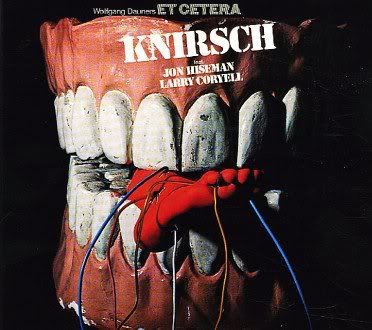
Et Cetera, KNIRSCH


Note: The reissue is credited to Wolfgang Dauner on the spine

MPS, 1972; reissued by HGBS; available

5 tracks, 44:55

Ah, Wolfgang Dauner. He's definitely been mentioned here before! The man has covered so much ground in his career, but his experimental work is what I like best (shocking, I know). This was the second album by his band Et Cetera. While they never had a truly set lineup, Dauner and usual percussionist Fred Braceful appear on all three of their releases. On KNIRSCH, Braceful and Dauner are joined by guitarist Larry Coryell, drummer Jon Hiseman, and bassist Günter Lenz. Coryell gets writing credit on opening number "The Really Great Escape", which is honestly quite out of place, being a scorching hard rock tune! The remaining four pieces are all written by Dauner, and they're far more abstract. "Sun" is a pretty jazz number, filled with inventive guitar lines and delicious interplay between the percussionists. The epic "Yan" takes things way out there, sounding something like a cross between Herbie Hancock circa SEXTANT and musique concrete. Richard Ketterer provides "sounds + voices" for "Yan"; good luck figuring out which is which. The equally epic "Tuning Spread" is excellent electro-jazz-rock fusion, while closer "Yin" slinks along in a distinctly Eastern way. Taken as a whole, this almost sounds like different tracks from different bands. Such is the Dauner way! Not a moment is wasted (even "The Really Great Escape" holds your attention the whole way through), and this would be a gem in ANY band's discography. Luckily, unlike most Dauner releases, this is relatively easy to find, and I highly suggest doing so. Now if someone would just reissue OUTPUT! (Oh, and if you can find it, I strongly recommend Et Cetera's self-titled debut as well!)

Wednesday, December 29, 2010

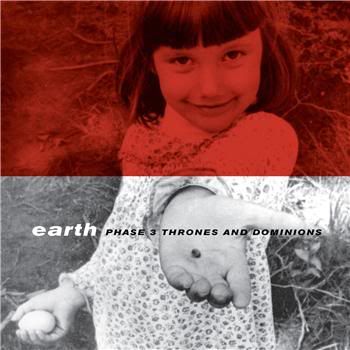
Earth, PHASE 3: THRONES AND DOMINIONS


Sub Pop, 1995; available

8 tracks, 55:04

Completing the trilogy of early Earth releases, PHASE 3: THRONES AND DOMINIONS was widely ignored or trashed upon its release. This is definitely the least heavy of their early works; there's no bass, and most tracks are Dylan Carlson solo with his guitar. Still, being Earth, there's a lot of guitar power and distortion here! Opener "Harvey" is under three minutes, a massive change from the equally massive EARTH 2. It's a nice little number, coming across like a drumless Melvins outtake. Actually, half of these tracks are under four minutes, and the longest is just under fifteen. Quite a change from the three-song seventy-plus-minute leviathan that was EARTH 2! Tommy Hansen contributes additional guitar to "Harvey" and "Song 4"; the latter is honestly pretty, with its acoustic guitar touches and repetitive electric riff. "Tibetan Quaaludes" and "Site Specific Carnivorous Occurrence" (featuring Rick Cambern on drums) definitely prove this is the same band, with their heavy guitar sludge and droning amplifier buzz. The real surprises are the two epics. "Phase 3: Agni Detonating Over The Thar Desert..." is the sounds of a desolate and wind-blasted landscape for twelve and a half minutes, while "Thrones And Dominions" is a truly beautiful piece of heavy ambient music (and the longest track on here). The other two tracks, "Lullaby (Take 2: How Dry I Am)" and "Song 6 (Chime)", are pleasant little songs; "Song 6 (Chime)" is particularly pretty in a music box-esque way. The best way to approach PHASE 3 is as a transitional album; the following PENTASTAR: IN THE STYLE OF DEMONS mostly deserves its bad reputation, since it took the blueprints of PHASE 3 and made Earth more accessible than they should have tried to be. I'd think of PHASE 3 as Earth's true ambient album.

Saturday, December 18, 2010

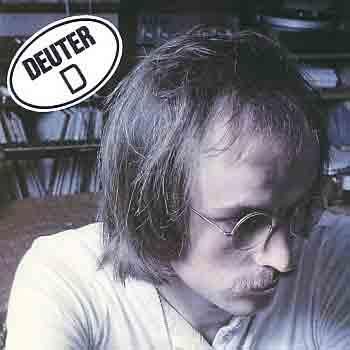
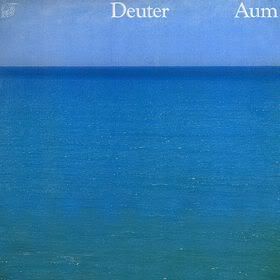
Deuter, D and AUM


Kuckuck, 1971; available

5 tracks, 41:00


Kuckuck, 1972; available

12 tracks, 43:39

The enigmatic Georg Deuter has been previously mentioned here as a member of Maschine Nr. 9. Before joining that odd collective, he released two extraordinarily singular solo albums. Let's review them, shall we?

The first Deuter album, D, is also one of his most varied. Literally no two tracks sound much alike, and it's all the more impressive for that! The opening multi-part "Babylon" established Deuter as a true krautrock innovator. Over nearly fifteen minutes, he combines acid guitar, atmospheric organ, wordless vocals, and other sonic bits to create a true masterpiece. It's probably worth noting that every instrument was performed by Deuter; ah, the miracles of overdubbing! "Der Turm/Fluchtpunkt" is even better, being four and a half minutes of odd guitar sounds with steady drumming. This sounds almost like an Ash Ra Tempel outtake! Surprises abound, and "Krishna Eating Fish And Chips" is the first of these. Beginning with a droning organ, this becomes a ten-minute duet for said sound plus an honest-to-goodness sitar. What could be awfully cheesy in lesser hands is nothing less than a meditative piece of genius here. Next up is "Atlantis", which has Deuter's wordless "AHHHhhhhhhh"s accompanying hand percussion and a recording of the seashore. It's one of those pieces that truly transports you elsewhere, and it's another highlight on an album chock full of them. Finally, "Gammastrahlen-Lamm" ends things with a decidedly ambient and spaced-out synth. For sheer variety alone, D is incredible; luckily, the music itself bears this out.

Deuter's next album, AUM, took a decidedly different approach. Gone are the epic tracks, to be replaced by a series of mostly short pieces. AUM is also less varied, focusing mostly on sitar and hand percussion. The tracks were orignally arranged into three suites on vinyl; for the CD, they have been indexed seperately. The epic "Susani" (longest track here at eight minutes) is an exception to the rule, being a stunning piece of echo guitar soundscapes and wordless chants that would make Achim Reichel jealous. Other highlights include the trancey "Soham", the frenzied "Offener Himmel I/Gleichzeitig", and the atmospheric "The Key", but the whole album really should be heard in one go for the full effect. While this is much more in raga mode than rock, it's still an incredible listen. It also beats the hell out of a lot of later New Age, which it does resemble at times (though Deuter managed to avoid the schmaltziness that is usually associated with the genre).

Sadly, after this double knockout, Deuter would retreat into New Age music of a (in my opinion) cheesy nature. He did this for spiritual reasons, which I do respect and understand. Certain later albums, such as SILENCE IS THE ANSWER and SAN, definitely have their moments, but most krautrock fans won't find much to like with the rest of his catalog. That's really a shame, since he showed such promise.

Friday, December 17, 2010

REST IN PEACE, CAPTAIN BEEFHEART


Not the greatest human being, sure, but definitely one of the most original musicians EVER. I just found out he passed away today. I never met him, but I'm deeply saddened. At least his pain is over. Rest in peace, good Captain.